





New Legislation Targets Additives Like Flavorings, Emulsifiers Separate from Sugar and Sodium Content
Health Risk Labels for Obesity and Diabetes on Front Packaging…U.S. Export Industry Takes Note
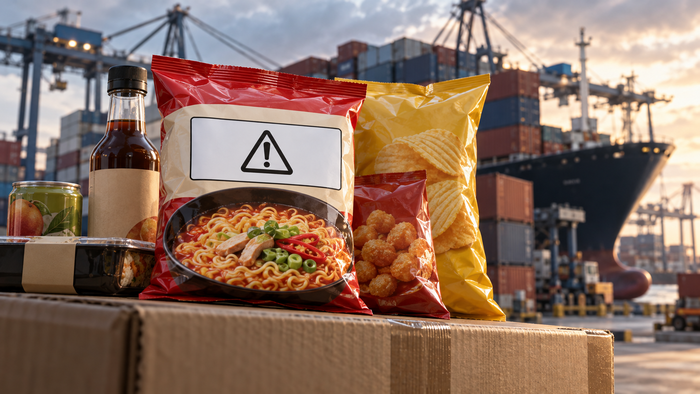
According to the original text of the “Childhood Diabetes Reduction Act,” currently pending in the U.S. Senate, the bill classifies foods containing one or more industrial ingredients listed in the bill—such as flavor enhancers, emulsifiers, and flavorings—as ultra-processed. Criteria for sugar, sodium, or saturated fat content are not part of the classification requirements. Exceptions are made only for products that meet the U.S. Food and Drug Administration's (FDA) “healthy food” standards.
This bill has a broader scope than existing U.S. regulations. Previously, California, the first state to legally define ultra-processed foods, classified foods as ultra-processed if they contained specific additives and exceeded certain thresholds for saturated fat, sodium, or added sugar.
In contrast, the Senate bill determines classification solely based on the presence of additives. Even “zero” products without sugar are not exempt. The bill includes high-intensity sweeteners like stevia and sucralose in its list of qualifying ingredients and requires separate warning labels for foods containing these sweeteners.
If classified as ultra-processed, the packaging must display a warning in bold font with an exclamation mark icon, covering at least 5% of the front panel: “Consumption of ultra-processed foods and beverages may lead to weight gain, which increases the risk of obesity and type 2 diabetes.” If passed, the law will take effect one year after enactment.
The bill passed the Senate Health Committee in July with 12 votes in favor and 10 against. To become law, it must pass both the Senate and House of Representatives and be signed by the president. The U.S. dairy industry opposes the bill, arguing that even milk and cheese could be targeted. The U.S. government is also separately developing its first official definition of ultra-processed foods, but it has not yet been released.
The U.S. is South Korea's largest export market for agricultural and food products. According to the Ministry of Agriculture, Food and Rural Affairs, South Korea's agricultural and food exports to the U.S. reached $1.04 billion in the first half of this year, driven by increases in ramen ($175.3 million, +24.4%) and snacks ($150.1 million, +12.0%).
If the bill passes and domestic products are classified as requiring warning labels, companies will need to change packaging for products sold in the U.S. This applies not only to products exported from Korea but also to those produced in U.S. factories. Since advertising targeting children will also be restricted, local marketing strategies for these products may be affected.
The domestic industry has expressed that it lacks concrete countermeasures. However, given the clear regulatory trend in the U.S., South Korean exporters are closely monitoring the situation. There are also calls for the government to track related legislation and standards and support small and medium-sized exporters by guiding them on applicable requirements and preparations.
One industry official said, “Since the bill is pending and the definition of ultra-processed foods has not been released, there are no immediate measures to take. We are closely watching related discussions in the U.S.”
Another industry official explained, “It is difficult for South Korean companies to individually respond to the bill's progress in the U.S. market. We expect proactive responses from large global food companies based there.”
