





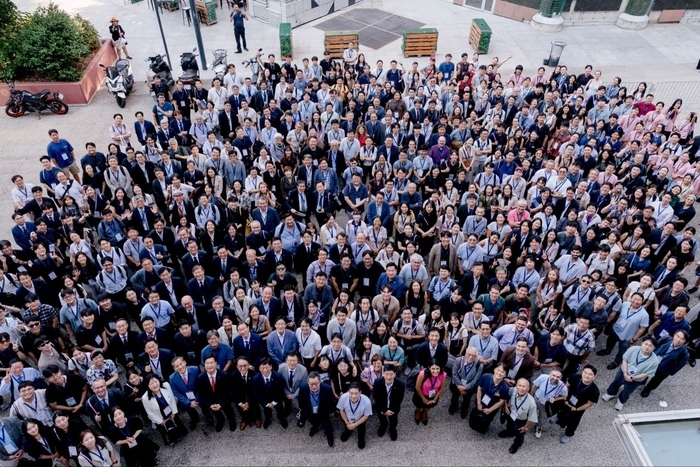
The '2026 Korea-Europe Science and Technology Academic Conference (EKC 2026),' the largest in history with over 1,300 participants and 478 papers, concluded its four-day schedule in Toulouse, France. The event focused on future strategic technologies such as artificial intelligence (AI), quantum technology, aerospace, and climate tech, confirming potential for joint research between Korea and Europe. As European research institutions and companies increasingly recognize Korea as a strategic technology partner, the conference laid the groundwork for expanding collaborative R&D and global research networks beyond academic exchanges.
Co-hosted by the French Korean Scientists and Technologists Association (FKSTA) and the Korean Federation of Science and Technology Societies (KOFST), EKC 2026 took place from the 20th to the 23rd (local time) at the Pierre Baudis Convention Center in Toulouse, France, under the theme “AI-Driven Future of Science and Technology.”
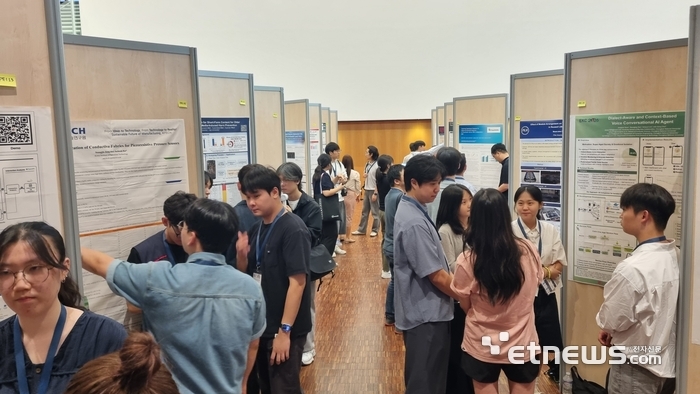
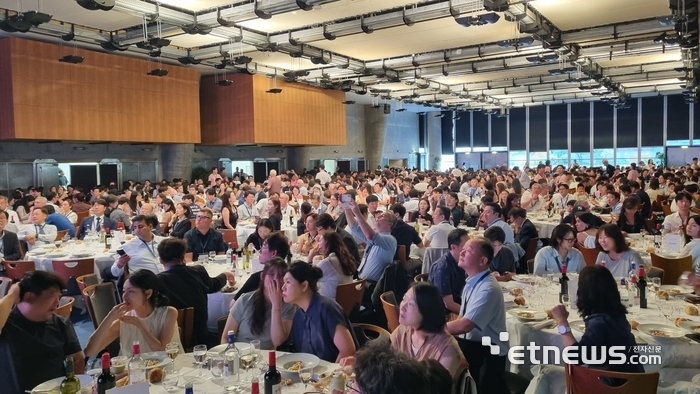
The event drew a large number of researchers, entrepreneurs, students, and government/public institution representatives from Korea and Europe. With 980 registered participants (including 1,300 family members), it set a record high, with 432 attendees from Korea alone. A total of 478 papers were presented—362 oral and 116 poster presentations—covering a wide range of future strategic technologies, including AI as a central axis, quantum technology, aerospace, next-generation solar power, and climate/energy.
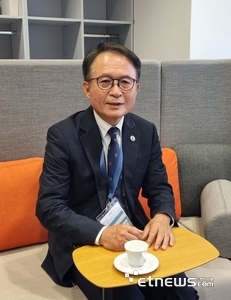
Lee Jong-wook, President of FKSTA, explained, “AI is no longer limited to a specific industry but has become the foundation of all science and technology fields. We structured a program that encompasses the entire spectrum of future technologies, including special sessions on AI and quantum, as well as aerospace and energy.”
The Horizon Europe session drew the most attention. As this was the first EKC held since South Korea joined Horizon Europe as an associated member last year, experts with actual experience in securing projects shared insights on proposal writing, consortium formation, and evaluation response strategies.
Chair Lee stated, “It wasn't just about presenting research outcomes; we conveyed know-how accumulated through repeatedly preparing, being selected, and facing rejections in real-world projects,” adding, “The participants' interest was so high that questions continued even after the lecture time ran out.”
South Korean research institutions' commitment to entering the European market was confirmed by the numbers. The fact that Korean participants accounted for 44% of total registrations demonstrated the growing demand to directly engage with European researchers and institutions to pursue collaborative studies.
Chair Lee emphasized, “With the launch of the massive Horizon Europe research project, interest from Korean institutions has surged,” and noted, “The trend of Korean researchers directly meeting and collaborating with European counterparts will become a key direction for future EKCs.”
This event not only expanded research collaboration but also enhanced talent exchange. The Korea Foundation for the Advancement of Science and Creativity operated a program linking domestic research institutions with 100 postdoctoral researchers and Ph.D. students active in Europe. Additionally, a higher education cooperation program between Korean and French universities was conducted, broadening the foundation for next-generation researcher exchanges.
Programs leveraging Toulouse's industrial ecosystem also garnered positive feedback from participants. Approximately 150 attendees visited Airbus production facilities to observe global aircraft manufacturing processes firsthand. Chairman Lee explained, “This provided participants with an on-site understanding of the competitiveness of Europe's aerospace industry,” adding, “As Toulouse is a central hub for the aerospace sector, it could serve as a valuable reference model for South Korea's aerospace clusters, such as those in Sacheon and Jinju.”
Chairman Lee assessed that the EKC has fundamentally transformed the technological cooperation environment between South Korea and Europe.
He noted, “Previously, Europe did not prioritize South Korea as a key partner, but now the dynamic has shifted, with Europe proactively reaching out,” and emphasized, “Europe recognizes South Korea—strong in semiconductors and manufacturing-based technologies—as an indispensable strategic partner.”
He further stated, “While Europe holds foundational competitive advantages in modern science and technology, it now seeks new collaboration partners in AI and advanced manufacturing,” and evaluated, “Compared to China, South Korea presents relatively lower risks in technological cooperation and possesses competitive strengths in semiconductors and production technologies, making it a highly attractive partner from Europe's perspective.”
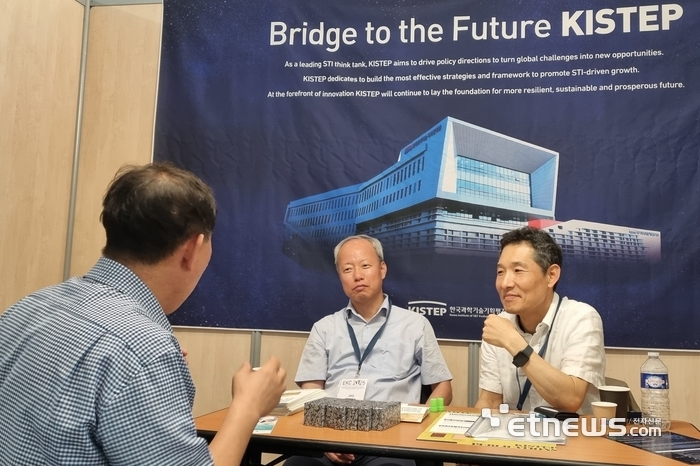
He emphasized the importance of the overseas Korean scientists and engineers network.
Chairman Lee stated, “The growth of Korea as a science and technology powerhouse was significantly driven by talents who returned home after conducting research abroad and led industries and research,” adding, “Support for overseas Korean scientists and engineers should not be a short-term policy but must continue consistently.”
He further noted, “It is a crucial role of the European Korean science and technology organizations to help young researchers active in Europe grow locally and reconnect with Korea,” and stressed, “This EKC demonstrated the potential to create an international academic event befitting Korea's status as an advanced nation.”