





Samsung Electronics, SK Hynix and Micron are stepping up efforts to improve yields for HBM4, the latest generation of high-bandwidth memory. As price gains for conventional DRAM begin to slow after driving strong earnings, memory makers are focusing on higher-margin HBM products to maximize profitability.
According to industry sources on July 21, the three companies are pursuing strategies to maximize HBM4 yields. HBM4, the sixth-generation high-bandwidth memory, is scheduled to be used in Nvidia's Vera Rubin AI accelerators, which are set to launch in the second half of the year.
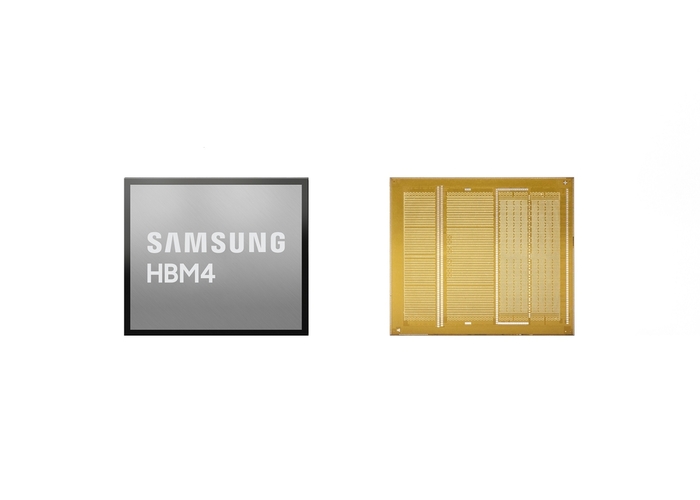
Samsung Electronics, the first of the three to begin mass production of HBM4, is reported to have rapidly improved yields after ramping up production. Some industry estimates put Samsung's HBM4 yield at around 70%, reflecting significant improvements in yield management after several months of mass-production experience.
The gains have been supported by Samsung's 1C DRAM process, which surpassed an 80% production stability rate earlier this year and helped improve overall HBM4 yields.
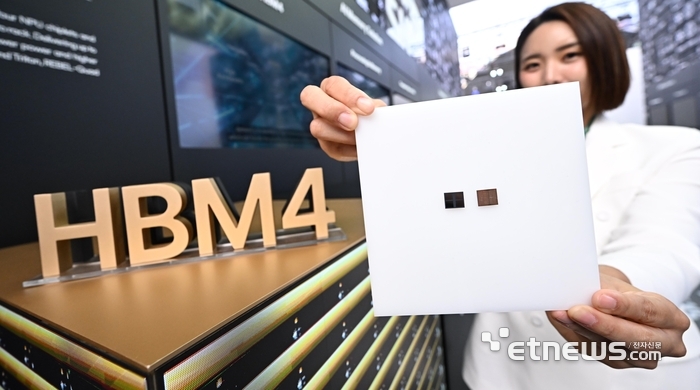
Although SK Hynix has not disclosed its HBM4 yields, industry sources believe production is approaching stable levels. The company is also planning to introduce additional equipment to optimize HBM4 production and expand manufacturing capacity. It is currently discussing equipment orders for the second half of the year with multiple process equipment suppliers.
A senior executive at a semiconductor equipment company said SK Hynix is preparing additional equipment orders to expand HBM4 production capacity, adding that improved yields are expected to support higher shipment volumes.
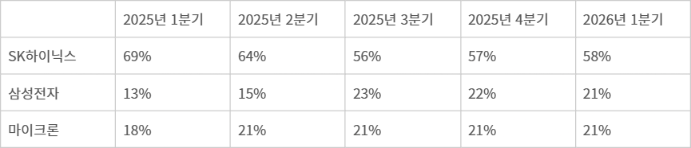
SK Hynix aims to maintain its competitive advantage of holding more than half of the global HBM market as the industry transitions to HBM4.
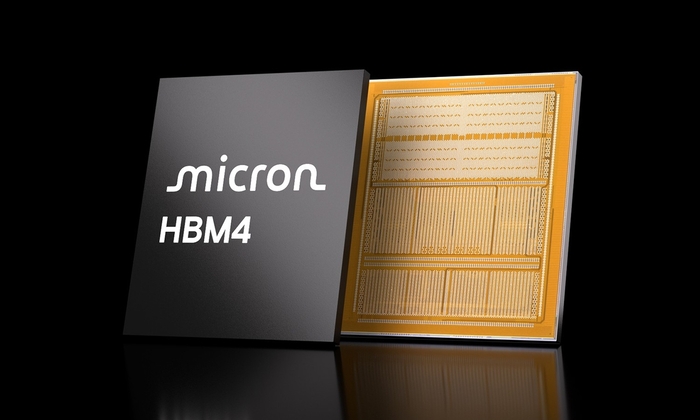
Micron, which trails its Korean rivals in manufacturing capacity, is also accelerating efforts to improve yields and expand production. The company is making large-scale facility investments and is expected to ramp up mass production while increasing yields.
Yield refers to the proportion of properly functioning chips among total semiconductor output. Higher yields increase the number of chips available for shipment, directly improving profitability, making yield improvement a top priority for semiconductor manufacturers.
HBM4 is expected to be the key profit driver for memory makers in the second half of the year. Although HBM typically delivers higher operating margins than conventional DRAM, recent shortages in mainstream DRAM temporarily pushed DRAM margins above those of HBM.
As price increases for conventional DRAM are expected to moderate, HBM is once again emerging as the main earnings driver. Conventional DRAM prices, which nearly doubled quarter on quarter in the first quarter, are expected to rise by 30% to 50% in the second quarter and by 0% to 20% in the third quarter.
By contrast, demand for HBM continues to grow, and prices are expected to remain on an upward trend, reinforcing its position as a high-margin product.
An industry official said Samsung Electronics had already reflected much of the benefit from higher HBM shipments and improved profitability in the second quarter after starting mass production ahead of its rivals.
The official added that the trend is expected to continue in the second half of the year, intensifying competition among the three memory makers to improve HBM4 yields.