








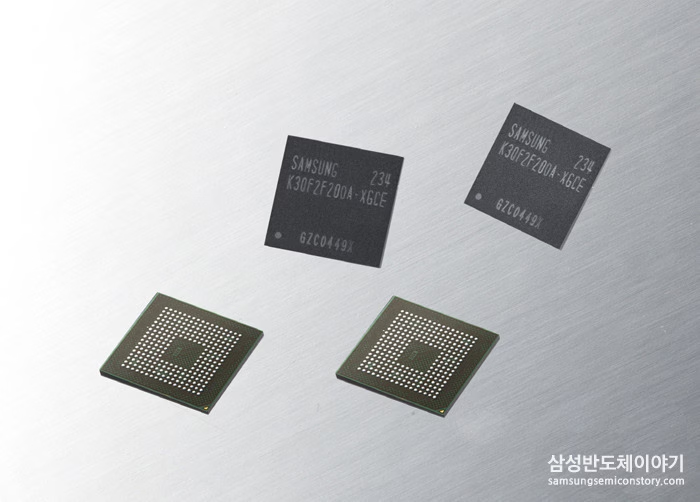
Semiconductor costs have surpassed display-panel prices in LCD TVs for the first time, reshaping the cost structure of television manufacturing as AI-driven memory shortages push up chip prices.
The shift is expected to weigh heavily on the profitability of TV makers, including Samsung Electronics and LG Electronics. Traditionally, the display panel has been the most expensive component in an LCD TV, but sharp increases in memory and other semiconductor prices are changing that equation.
Market research firm Omdia said the price of the mainboard used in smaller LCD TVs—including 32-inch HD and 40-inch to 43-inch full-HD models—is expected to exceed the price of the display panel in the second half of the year.
For a 32-inch HD TV, the video and audio processing board's share of component costs climbed from just over 10% in the second quarter of last year to the high-40% range in the third quarter of this year—an increase of more than fourfold in roughly a year. The mainboard serves as the TV's core electronics platform, housing memory and processors that handle video processing, audio functions and user settings.
While LCD panel prices have remained relatively stable amid muted demand, semiconductor prices have surged because supply has tightened as AI infrastructure investments accelerate. As of last month, prices for mainstream DRAM and NAND flash had risen to $25 and $30.50, respectively—up 4.4 times and 8.9 times from a year earlier.
The higher mainboard cost reflects increases across multiple components. Beyond DRAM and NAND flash memory, the board includes the main processor that acts as the TV's central computing unit, display driver integrated circuits, or DDIs, which control color and brightness, and power-management integrated circuits, or PMICs, which regulate electricity use.
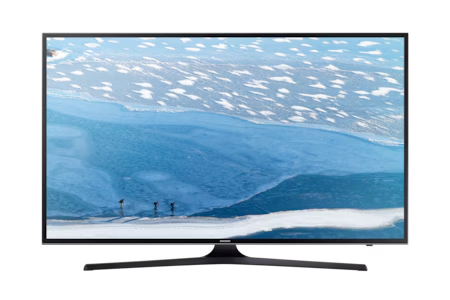
Cost pressure is also becoming apparent in mid-sized TVs. In the third quarter, the mainboard price for a 55-inch UHD LCD TV—including DRAM, NAND flash and a Wi-Fi module—reached $118.20, nearly 3.5 times the $33.90 recorded a year earlier.
That figure exceeds the lowest price for a 55-inch UHD panel, which stood at $116 last month, and is approaching the average panel price of $123.
The increase poses a particular challenge for lower-priced and smaller TV models. Such products are highly price-sensitive, giving manufacturers limited room to pass rising component costs on to consumers. Larger or premium TVs, by contrast, can more easily absorb cost increases through higher selling prices and stronger margins.
Samsung and LG are expected to defend profitability by diversifying their supply chains, optimizing product specifications and improving cost efficiency. They are also seeking to broaden TV revenue beyond hardware through content and platform businesses.
However, the prevailing industry view is that memory prices will continue rising at least through next year. That could deepen the challenge for TV manufacturers as they work to contain costs and manage fixed expenses in an increasingly volatile component market.
“Managing semiconductor prices has become as important as managing panel prices in the cost structure of TV manufacturing,” an industry source said. “Cost reduction and fixed-cost management will become even more critical as manufacturers respond to market volatility.”
