








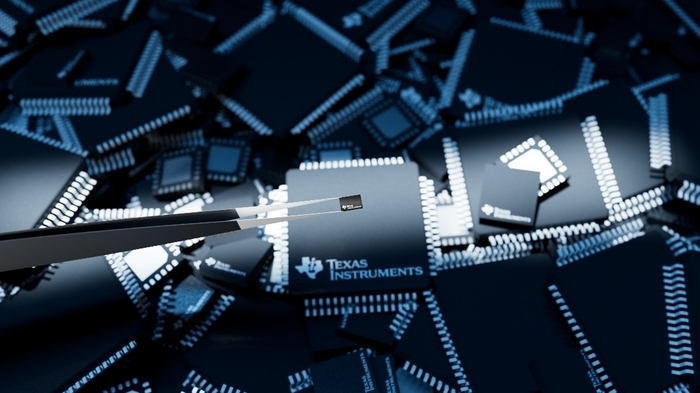
The costs for analog and mixed-signal semiconductors--including power management chips, MCUs, and sensors--are continuing their upward trajectory. Following price adjustments in April, industry leaders are pushing for further increases, driven by rising costs in raw materials, components, and core manufacturing processes.
According to industry sources on May 12, Texas Instruments (TI) recently shared price adjustment plans with major customers and distributors. The company signaled an upcoming hike across its entire product portfolio, effective July 1. TI stated that specific increase percentages would be determined based on individual products and technologies.
This follows a significant trend for TI, which raised prices by 10-30% on over 60,000 products for Chinese customers last year. In April, the company also implemented hikes ranging from 15% to 85% for digital isolators and Power Management ICs (PMICs). The upcoming July adjustment is expected to push these costs even higher.
TI attributed the move to the current market environment and escalating costs across the broader supply chain. Geopolitical uncertainties and rising oil prices have inflated the cost of raw materials and components used in semiconductor manufacturing, while the expenses for the fabrication processes themselves have also climbed.
Furthermore, the 8-inch wafer-based foundries that produce these analog chips are seeing higher utilization rates. This has created a classic supply-shortage market, providing additional upward pressure on pricing.
While analog and mixed-signal semiconductors do not require the cutting-edge processes used for high-end CPUs, GPUs, or memory, they are indispensable for controlling almost all electronic devices. Demand for power semiconductors, in particular, is exploding due to the growth of AI data centers, electric vehicles (EVs), and industrial automation.
A chain reaction of price hikes appears likely. When TI raised prices in April, competitors like NXP, Infineon, and Renesas followed suit. Industry analysts expect similar moves from these major players around the July timeframe.
“We are seeing a broad price surge across the entire semiconductor market, reaching beyond high-end processors and memory into the analog sector,” an industry insider noted. “The situation where supply struggles to keep pace with demand is expected to persist for the foreseeable future.”
