





Hyundai Mobis to Supply Actuators and Main Cameras
Samsung SDI, LG Energy Solution to Supply Batteries
Cammsys, MCNEX to Provide Hand Cameras
Nvidia to Supply Processors Serving as Robot's Brain
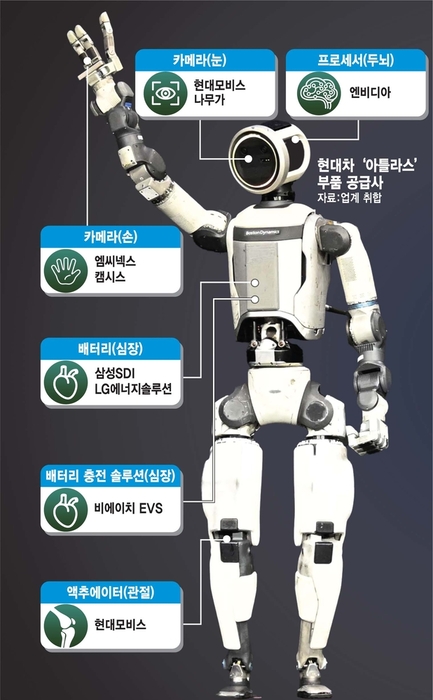
The supply chain for Atlas, a humanoid robot seen as a future growth engine for Hyundai Motor Group and a key driver in accelerating the era of physical artificial intelligence (AI), has been finalized.
Hyundai Mobis will supply all the actuators responsible for the robot's movements, while Samsung SDI and LG Energy Solution will provide batteries that serve as the robot's heart. In an unexpected development, Hyundai Mobis, Namuga, MCNEX and Cammsys will supply cameras that function as the robot's eyes.
According to information obtained by this newspaper as of Oct. 26, Hyundai Motor has established the supply chain for mass production of Atlas with these companies. Hyundai Motor selected the final suppliers for mass production after carrying out development projects with companies possessing the necessary technologies.
Hyundai Mobis secured the entire order for actuators, which function as the robot's joints. Actuators are critical components that account for more than half of a humanoid robot's production cost.
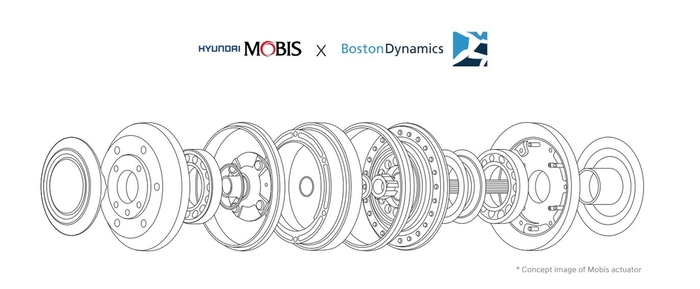
Hyundai Mobis, a Hyundai Motor Group affiliate, is believed to have been selected as the actuator supplier because of its stable component production capabilities and manufacturing expertise. The company is expected to manufacture actuators in the United States and supply them to Boston Dynamics, the developer of Atlas.
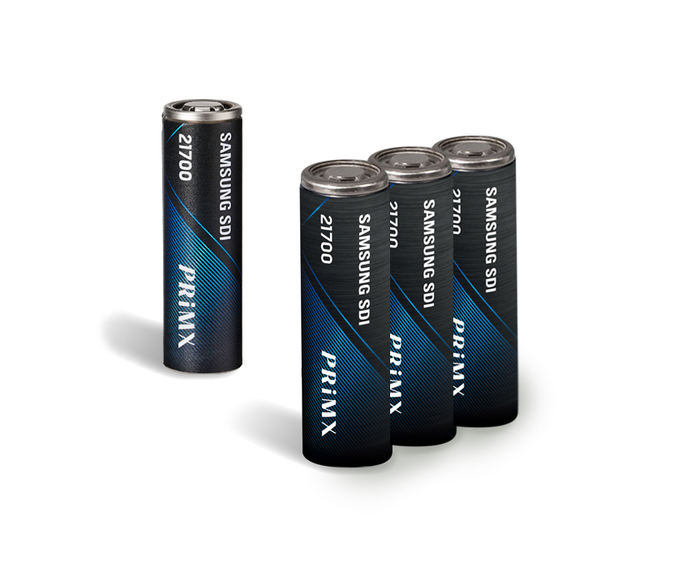
Samsung SDI and LG Energy Solution will supply the batteries that serve as the robot's heart. Both companies are also understood to have begun establishing production lines for Atlas batteries. Samsung SDI plans to manufacture and supply the batteries from Malaysia, while LG Energy Solution will produce them at its plant in Georgia, United States.
Atlas will be equipped with cylindrical batteries measuring 21 millimeters in diameter. Samsung SDI and LG Energy Solution are believed to have been selected to ensure a stable supply because they are the South Korean companies with mass-production capabilities for cylindrical batteries. Samsung SDI is reportedly the primary supplier, responsible for a larger share of the volume.
BH EVS will provide the battery charging solution for Atlas. A subsidiary of printed circuit board (PCB) manufacturer BH, BH EVS was established in 2022 following the acquisition of LG Electronics' automotive wireless charging systems business. The company will handle Atlas charging based on power control technologies developed through its automotive wireless charger business.
The selection of suppliers for the cameras that serve as the robot's eyes produced an unexpected result. Hyundai Mobis will supply the main camera mounted on Atlas' face. The camera will perform sensing functions essential for smooth walking, including recognizing the space in front of the robot, detecting obstacles and identifying routes.
LG Innotek, which had previously collaborated with Boston Dynamics, was initially considered the most likely supplier, but the outcome was reversed. Hyundai Mobis ultimately secured the supply contract by partnering with camera specialist Namuga. Namuga supplies camera modules for Samsung Electronics smartphones.
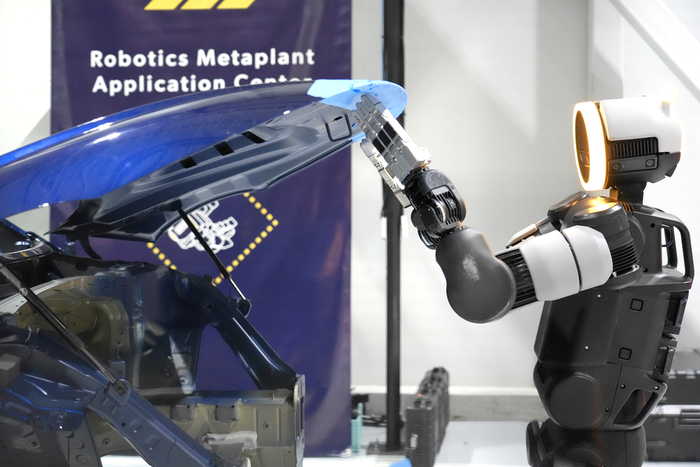
Atlas is also understood to feature cameras mounted on its hands, an unusual configuration for a humanoid robot, in addition to those on its head. These cameras will help the robot recognize objects and perform precision tasks.
MCNEX and Cammsys will supply the cameras installed in the robot's hands. The two companies have created new business opportunities by applying technologies developed for mobile and automotive cameras to robotics.
Nvidia will supply the processor that serves as Atlas' brain. The robot will be equipped with Jetson Thor, a robotics chip developed for low-latency AI processing. Hyundai Motor Group Executive Chair Euisun Chung and Nvidia CEO Jensen Huang have previously held frequent meetings to strengthen their partnership.
Humanoid robots have strong future growth potential and are central to physical AI, which enables machines to make decisions and perform actions autonomously. The establishment of Atlas' supply chain is expected to mark an important turning point in the formation and development of the robotics industry ecosystem.
Hyundai Motor plans to establish a mass-production system in the United States capable of producing 30,000 Atlas robots annually by 2028 and deploy them at its Georgia manufacturing plant.
