








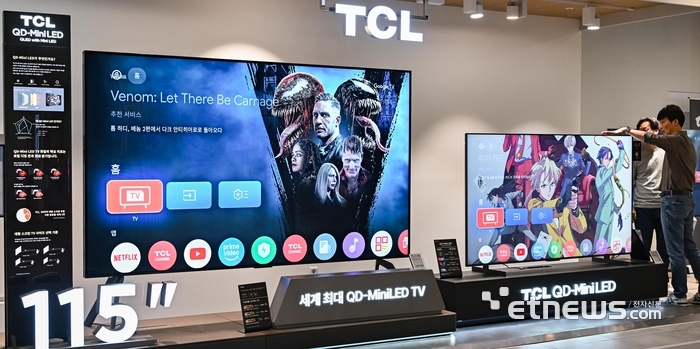
TCL Korea will raise factory prices on its major home appliances starting next month, as even the value-focused Chinese brand feels the pinch from soaring memory chip costs.
The price hikes, set to take effect August 1, will apply to TCL's entire TV lineup as well as select refrigerator and washing machine models. Customers can still purchase at current prices through July 31.
The increase is expected to be around 5%, a relatively modest bump that reflects the company's effort to minimize the impact on sales volume while still offsetting rising costs.
TCL Korea attributes the adjustment to steadily climbing manufacturing and operating costs. “We've held off on raising prices internally for a long time to keep the burden on customers as low as possible,” a TCL Korea representative said. “This increase is an unavoidable step to ensure stable product supply and continued service operations.”
The primary driver behind the hike is the sharp rise in memory chip prices. As AI infrastructure investment has surged, memory production has increasingly shifted toward AI servers, squeezing supply for the memory chips used in home appliances. That imbalance has pushed commodity memory prices up nearly tenfold since the second half of last year.
With AI features increasingly built into home appliances, TVs and washing machines now require higher-performance chips than before--adding further pressure to TCL Korea's cost structure. Surging raw material and logistics costs, driven in part by conflict in the Middle East, have compounded the problem.
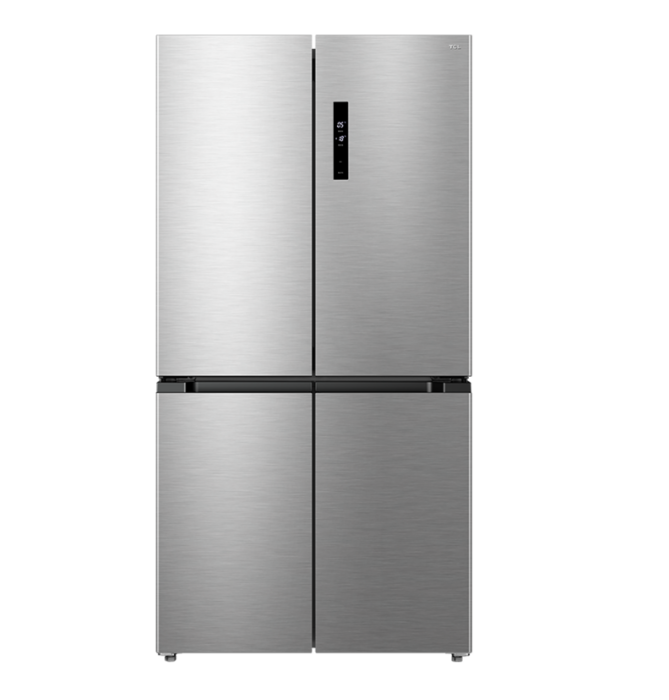
This marks the first time this year that TCL Korea has raised prices on its core appliance lineup. With memory prices widely expected to keep climbing through next year, analysts say the company had little choice but to pass some of the cost increase on to consumers.
TCL Korea's move adds to the mounting pressure facing appliance makers as they try to protect margins. TCL, one of China's leading appliance brands, built its reputation on value pricing--so the fact that even TCL is raising prices underscores just how steep the memory cost surge has become.
The ripple effects on Korea's domestic appliance market are also worth watching. Some industry observers believe Samsung Electronics and LG Electronics could benefit even from a modest TCL price hike, as it narrows TCL's value-pricing advantage and could push more consumers toward established domestic brands known for stronger brand trust and after-sales service infrastructure.
“Samsung and LG are dealing with their own accumulated cost pressures, so it remains to be seen how much TCL Korea's price increase will actually shift the domestic market,” said one appliance industry source. “But with component costs skyrocketing, appliance makers across the board are being forced to adjust prices just to protect their margins.”
