






Products built on Matter, the global interoperability standard for smart homes, are gaining ground rapidly. Nearly half of smart-home devices launched this year have obtained Matter certification, indicating that the market is moving away from isolated, platform-specific ecosystems.
The momentum is particularly strong among Chinese manufacturers. A growing number of devices can now work across multiple platforms—including Samsung SmartThings, Amazon Alexa, Google Home and Apple Home—rather than being tied to a single company's ecosystem.
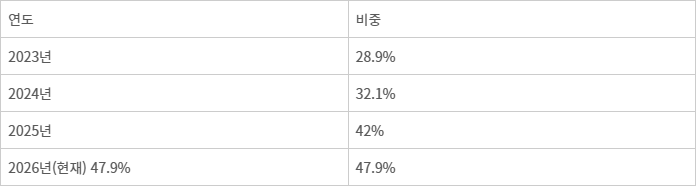
According to data analyzed by smart-home product comparison database Smart Home Compared, 47.9% of smart-home products launched this year support Matter. That share has risen steadily from 28.9% in 2023 and 32.1% in 2024 to 42% last year.
The analysis covered 1,015 products across 36 product categories from 87 brands. When all products currently on the market are counted regardless of launch year, Matter-compatible devices account for 31% of the total. The data shows Matter quickly gaining influence across the smart-home market.
Chinese companies are driving much of that expansion. Products from Chinese manufacturers account for 438 models, or 43.2% of the total, well ahead of the 302 products from U.S. companies. U.S. companies are represented by more brands—35, compared with 25 Chinese brands—but Chinese firms offer a larger number of products per brand.
Chinese smart-home companies are increasingly using Matter as a core compatibility standard for global expansion. Aqara, Tuya, SwitchBot and EZVIZ are broadening Matter support beyond lighting, sensors and hubs to cameras and home appliances.
Matter is a smart-home connectivity standard released by the Connectivity Standards Alliance, or CSA, in October 2022. The alliance includes Samsung Electronics, Apple, Google and Amazon, among other major technology and smart-home companies. Matter is designed to enable interoperable communication among devices regardless of their manufacturer or operating system.
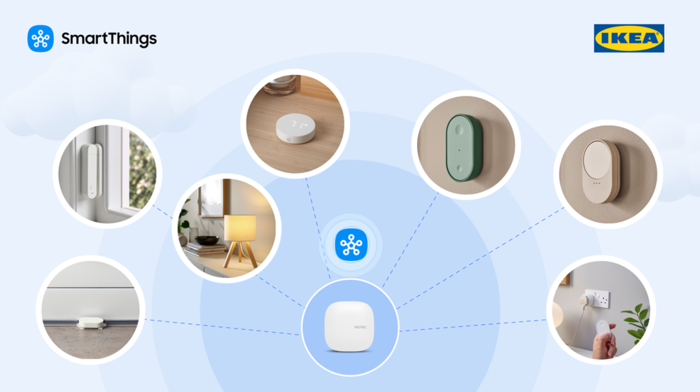
In practice, a Matter-compatible device can be used with major platforms such as Samsung SmartThings, Apple Home and Google Home without relying solely on a proprietary ecosystem. The standard uses IP-based connectivity and supports technologies including Wi-Fi and Thread, enabling devices from different brands to be discovered, added and controlled through compatible smart-home platforms.
Matter still represents a smaller share of the overall smart-home market than the major platforms' individual compatibility ecosystems. Among products tracked by Smart Home Compared, 83.2% support Alexa and 72.8% support Google Home. Samsung SmartThings follows at 49.4%, while Apple HomeKit accounts for 41.3%. Matter-compatible products represent 26.1%, still below the leading big-tech platforms.
In South Korea, the smart-home industry is also looking to Matter as a common standard that can help small and midsize appliance makers enter global markets. For companies that lack the resources to build their own smart-home platforms, Matter can reduce the burden of developing separate integrations while enabling products to reach global ecosystems such as SmartThings, Google Home and Apple Home.
The Korea AI Smart Home Industry Association is expanding standards and certification support, as well as developer training, to help domestic companies respond to Matter. This year, it is offering hands-on programs on device development and certification based on the latest Matter specifications, supporting the entry of Korean small and midsize companies into the Matter ecosystem.
“Chinese companies are quickly applying Matter across a wide range of product categories as they expand overseas,” an industry official said. “Korean companies also need to strengthen their readiness for global smart-home standards from the product-development stage.”