

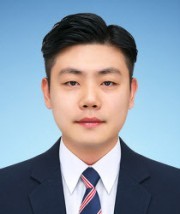






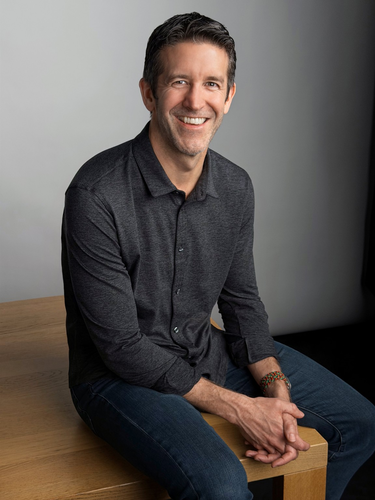
Tim Cook, Apple's CEO, concludes his 15-year tenure and hands over leadership to John Ternus. The new CEO begins his term with key challenges: unveiling the first foldable iPhone, restoring competitiveness in artificial intelligence (AI), and restructuring the supply chain.
Former CEO Cook posted on his social media (X) on the 31st (local time), stating, “As I conclude my final day as CEO, I extend my deep gratitude to the Apple community. While my title will change tomorrow, my love for the Apple community will never waver.”
Cook took over as CEO from Steve Jobs in August 2011 and led Apple for 15 years. Under his leadership, Apple's market capitalization grew from approximately $350 billion to over $4 trillion. He enhanced supply chain and production efficiency, expanded the Apple Watch, AirPods, and service businesses, and drove the transition to Apple Silicon, broadening the company's ecosystem beyond iPhone-centric operations.
While Cook's leadership was management-focused, Ternus, the incoming CEO, is a former Senior Vice President of Hardware Engineering. Attention now turns to how he will exercise technology-driven innovation leadership.
Ternus's first major test is Apple's product launch event scheduled for the 9th of this month. Alongside the iPhone 18 Pro and Pro Max, Apple is expected to unveil its first foldable iPhone. Given Ternus's long-standing oversight of hardware technology, the product's quality and market reception are under close scrutiny.
The foldable iPhone marks Apple's first new form factor in years. With Samsung and Chinese companies leading the foldable market, the key question is whether Apple can differentiate its user experience as a late entrant. As the smartphone market matures, whether foldable devices can drive new demand for iPhones is also a focal point.
Restoring AI competitiveness is another critical task for the Ternus era. While Apple boasts an ecosystem spanning self-designed chips, operating systems (OS), and devices (iPhone, Mac, iPad, wearables), it has been criticized for lagging behind Google and OpenAI in generative AI. The speed at which AI capabilities are integrated across devices and operating systems—not just added to individual services—will shape future product competitiveness.
Supply chain restructuring, particularly reducing reliance on China, must also continue. Apple is diversifying production bases to India and Southeast Asia while addressing U.S. government demands to expand domestic manufacturing under the Trump administration. Cook, now transitioning to Executive Chair of the Board starting the 1st, will support external affairs such as policy coordination with governments. This division of roles—with Ternus leading products and technology, and Cook handling external relations—is expected to continue for the time being.
A telecommunications industry insider noted, “Rather than chasing AI competition, Apple is likely to focus on strengthening its unique 'Apple-style AI experience,' where devices, software, and services seamlessly integrate.”
