








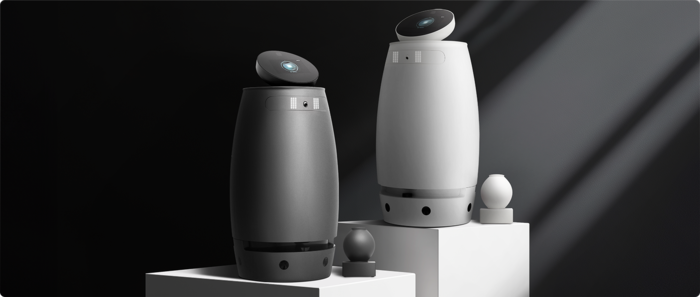
SK Intellix is pursuing contract manufacturing in China for its AI wellness robot, Namux. The move is seen as a strategic bid to strengthen cost competitiveness by tapping into China's robotics ecosystem, while maximizing profitability as the company expands globally.
According to industry sources on Oct. 6, SK Intellix is considering shifting Namux's mass-production system to an original equipment manufacturing (OEM) model in China. The company currently produces all Namux units at its plant in Hwaseong, Gyeonggi Province, meaning the plan would represent a significant overhaul of its manufacturing structure.
SK Intellix executives are in the final stages of reviewing the China OEM framework. If the business direction is finalized within the year, the company is expected to begin fully operating the Chinese OEM system next year.
Namux is an AI wellness robot equipped with autonomous navigation, air-purification capabilities, health-sign monitoring, and security functions. Since its launch last year, SK Intellix has been positioning the device as a key future-growth business beyond its existing air purifier and water purifier portfolios.
The company's push for Chinese OEM partnerships is widely viewed as an effort to lower manufacturing costs. Supported by a vast domestic market and government backing, China has built significant economies of scale in robotics manufacturing, giving its suppliers a strong pricing advantage. As the world's largest robot producer, China is estimated to offer production costs more than 30% lower than those of Korean companies.
For SK Intellix, a contract-manufacturing model could prove more cost-effective than expanding in-house facilities as it scales up production across a broader lineup. The company is developing a lighter Namux model and a next-generation version equipped with robotic arms. It also began its global rollout in Malaysia late last month.
The planned shift is therefore seen as a move to secure both a stable supply chain and competitive costs as Namux offerings diversify and production volumes rise.
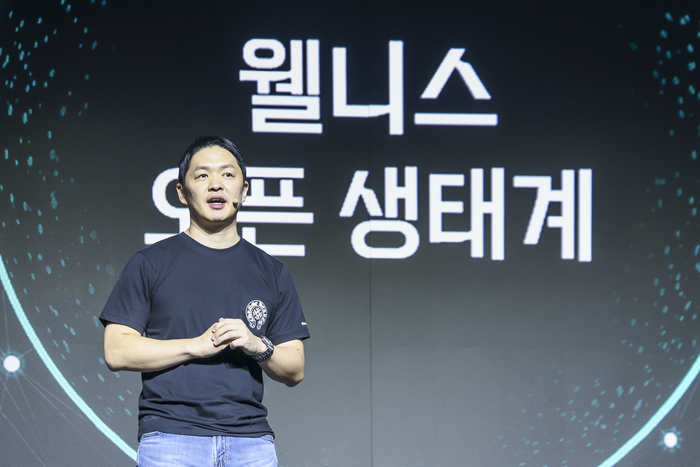
The China partnership strategy is reportedly backed by Chey Sung-hwan, President and Head of Corporate Strategy at SK Networks and a third-generation member of the SK Group founding family. Chey is the eldest son of Choi Shin-won, Honorary Chairman of SK Networks. SK Intellix is a subsidiary of SK Networks.
Chey is said to have taken a strong interest in China's robotics technology and manufacturing capabilities. In February, he visited China and met with the founder of Unitree, one of the country's leading robotics companies.
SK Intellix's robotics business itself was also launched under Chey's leadership. As Namux enters its third year next year, securing profitability has become a key priority, prompting the company to explore collaboration with Chinese robotics firms.
Given China's capabilities in robotics technology and its cost advantages, improving Namux's cost structure through partnerships could provide a major boost to profitability.
An SK Intellix representative said, “We are reviewing potential cooperation options for Namux with companies in various countries, including China, but nothing has been finalized.”
