








Major U.S. shipping carriers are rolling out surcharges ahead of Black Friday, the country's biggest shopping event. With added fees covering both domestic parcel deliveries and international shipping, the increases could push up costs for South Korean consumers shopping from U.S. retailers.
According to industry sources on Oct. 11, FedEx adjusted its demand surcharges for international shipments involving the United States starting Sept. 21 and introduced additional fees for nonstandard international freight.
Black Friday falls on Nov. 27 this year, followed by Cyber Monday on Nov. 30. The five-day stretch from Thanksgiving on Nov. 26 through Cyber Monday is a key shopping period in the U.S. holiday season. FedEx began adjusting its peak-season shipping charges more than two months before Black Friday.
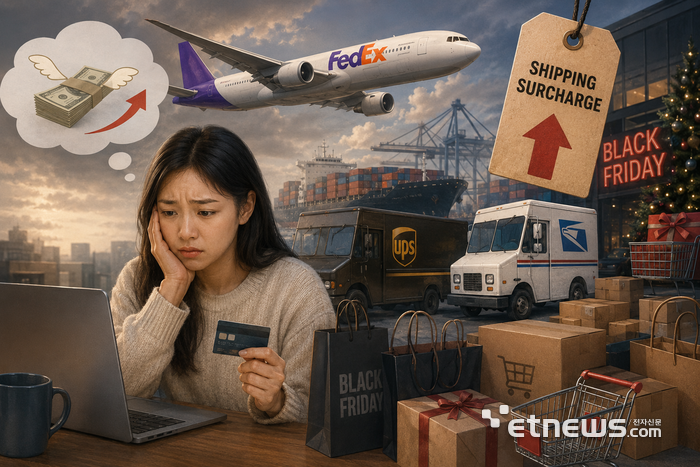
FedEx is also adding peak-season surcharges to U.S. domestic deliveries. From Nov. 23 through Dec. 27, it will charge an additional handling surcharge of $11.85 and an oversize surcharge of $117.25. Residential deliveries will carry an additional $0.80 charge, while express deliveries will face demand surcharges of up to $2.55. The fees cover the period from just before Black Friday through the days after Christmas.
UPS began applying demand surcharges to certain U.S. domestic shipments on Sept. 27. It also adjusted separate surge fees for shipments entering or leaving the United States. Like FedEx, UPS is applying different surcharge structures to domestic deliveries and international services ahead of the year-end shopping rush.
The U.S. Postal Service (USPS) introduced peak-season pricing on Oct. 4. Commercial shipping rates are rising by amounts ranging from a few dozen cents to more than $1, depending on package weight and shipping distance, with larger increases for heavy and oversized parcels.
Higher U.S. shipping costs could also affect the total price South Korean consumers pay for purchases from overseas. Buyers ordering from U.S. retailers may have to cover domestic shipping within the United States and international delivery, in addition to the price of the product itself.
If U.S. retailers and sellers struggle to absorb higher domestic delivery costs ahead of Black Friday and the holiday shopping season, they may revise their free-shipping requirements, shipping fees or discounts. Package-forwarding companies, which receive purchases in the United States and ship them to South Korea, could also change their customer fees if their contracted carrier rates rise.
Whether consumers ultimately pay more will depend on the pricing policies of South Korean cross-border shopping platforms and package forwarders. If these businesses absorb the increases, shoppers may see no direct impact. But higher free-shipping thresholds, separate delivery charges or the passing on of increased carrier costs could raise the total purchase price.
“Maintaining competitive prices is key to attracting cross-border shopping demand during Black Friday,” an industry official said. “Companies are making every effort to expand their inventory and logistics networks while securing reliable shipping through air, sea and multimodal transport.”
