




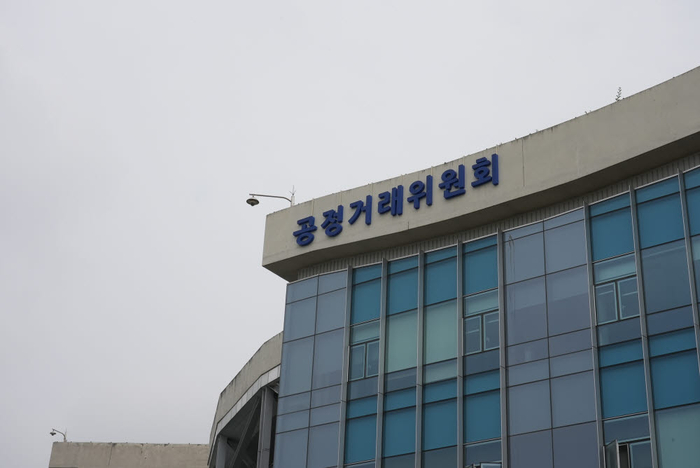
South Korea's Fair Trade Commission (KFTC) has begun formal deliberations on the proposed merger of Naver Financial and Dunamu, citing concerns that combining their strengths in search, shopping, digital payments and cryptocurrency trading could restrict competition. After the companies revised their proposed remedies, however, the agency's case team concluded that the measures could address those concerns and referred the deal to the commission for a final decision.
The KFTC said on Nov. 10 that it had submitted its merger review report to the commission, initiating the deliberation process roughly a year after receiving the merger notification on Nov. 28 last year. Under the proposed share swap, Naver Financial would acquire all of Dunamu's shares, issuing approximately 2.54 Naver Financial shares for each Dunamu share. If completed, the transaction would make Dunamu a wholly owned subsidiary of Naver Financial.
The case team focused on the possibility that the companies could extend their market power into other businesses. Naver has a broad user base across search, shopping and digital payments, while Dunamu operates Upbit, South Korea's largest cryptocurrency exchange. Linking their services could draw more users into the combined ecosystem and make it harder for competitors to attract customers.
The review covered 10 business areas, including online payments, cryptocurrency exchanges, search portals, advertising, shopping and financial MyData services, which allow consumers to aggregate and manage their financial information. Although the companies' businesses overlap in listed-stock investment platforms and online secondhand marketplaces, the case team found little likelihood of harm to competition in those areas. In the other markets, it examined how linking services could affect competition.
The agency also extended its review to the market for won-denominated stablecoins, which has yet to take shape in South Korea. These digital assets are designed to track the value of the Korean won and could be used for payments and remittances once a regulatory framework is established. Examining potential competition issues in a market that does not yet exist is an unusual step.
The KFTC determined that the companies' initial remedies would not sufficiently address its competition concerns and requested revisions. After receiving a final proposal incorporating expert feedback and other input, the case team drew up its recommendations. Although the details have not been disclosed, the agency indicated that the measures would include equal treatment of competitors and restrictions on certain business practices.
The KFTC plans to proceed with the remaining steps with the aim of holding a plenary meeting before year-end. Whether the merger is approved, and what remedies would be imposed, will be determined through those deliberations.
“A final decision on this case will be reached through agreement among independent commissioners after a thorough consultation process,” said Jeon Seong-bok, director general of the KFTC's business combination review bureau.
