





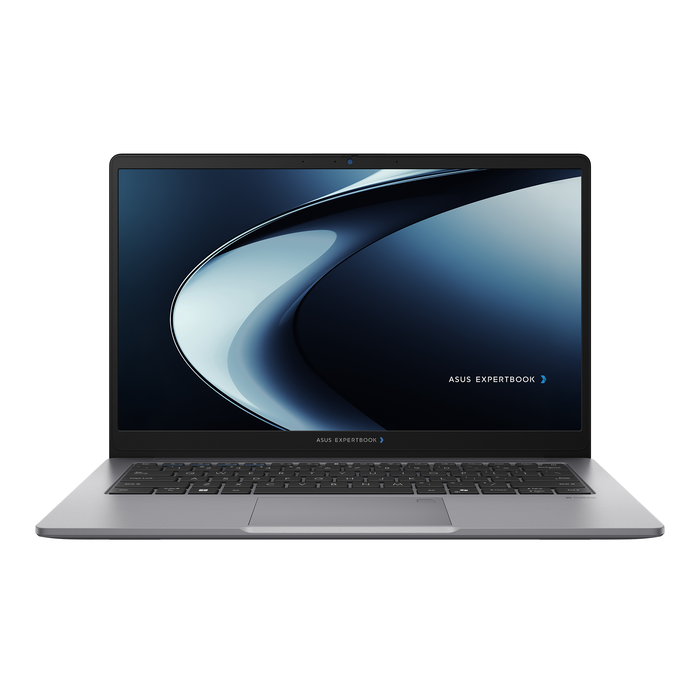
Global PC makers are considering reducing the amount of memory in their products as memory chip prices surge. With price increases alone no longer enough to offset rising costs, manufacturers are weighing the difficult option of lowering specifications.
Asus is considering cutting memory in its budget and midrange PCs from 16GB to 8GB.
“It has become difficult to pass on the full increase in memory costs through product prices,” said Asus co-CEO S.Y. Hsu. “We previously equipped budget and midrange products with 16GB of memory, but we may now adjust that to 8GB.”
Halving memory capacity could ease component procurement costs. According to market research firm TrendForce, September contract prices for 16GB and 8GB DDR4 memory modules were $275 and $148, respectively.
Replacing a 16GB module with an 8GB module would therefore save $127. That figure is a simple comparison of contract prices and may differ from the prices PC makers actually pay their suppliers. Still, with memory prices climbing sharply since last year, reducing capacity offers a way to cut costs.
“Many companies are considering equipping their products with lower-spec memory or CPUs with fewer cores,” a PC industry official said. “With memory prices expected to keep rising into next year, this is one way to ease at least some of the pressure on profitability.”

Microsoft's efforts to optimize Windows could also make it easier for PC makers to reduce memory specifications. The company is working to improve memory efficiency as part of broader efforts to enhance Windows 11. It recently reported that optimizations improved system responsiveness by up to 20% and multitasking performance by up to 40% on PCs with 8GB of memory, compared with the previous Windows 11 experience.
“We previously ensured that systems had 16GB to deliver a good user experience, but Microsoft has made a range of adjustments to provide a satisfactory experience even with 8GB of memory,” Hsu added.
Redesigning PCs to reduce costs has become an industry-wide priority. Lenovo is using product design changes to address rising memory prices, while HP is also working to optimize its PC component configurations.
The risk, however, is that reducing memory capacity could hurt performance and frustrate buyers. Manufacturers may lower their costs, but consumers could end up paying roughly the same price for PCs with lower specifications.
“Finding the right balance between rising manufacturing costs and the specification cuts needed to address them will be a key challenge for PC makers,” another industry official said.
