





LG Electronics is stepping up efforts to lead the core robot component ecosystem with its robotic actuator brand, AXIUM. The company has begun working with major South Korean robotics and component firms to adopt common standards for actuator modules, aiming to transform the actuator sector—currently centered on custom builds for individual robot makers—into an independent market driven by specialized suppliers.
According to industry sources on Nov. 26, domestic robotics companies including LG Electronics, HD Hyundai Robotics, Doosan Robotics, and Yujin Robot have agreed to develop components aligned with South Korea's national standard for service robot actuator module information models. Established in September by the Korean Agency for Technology and Standards (KATS), the standard creates a unified framework for actuator module functions, characteristics, and product data—which currently vary by manufacturer—to streamline collaboration between robot makers and component suppliers.
Actuators are core components that drive robot joints, integrating motors, reducers, sensors, and embedded controllers. Because robot manufacturers currently require different specifications and control methods, component makers typically have to develop customized products for each client. This lack of standardization limits versatility, creating barriers for specialized suppliers looking to enter the market and achieve economies of scale.
Going forward, the industry plans to establish unified standards not only for actuator modules, but also for sub-components such as motors and controllers. With international development efforts also expanding into hardware as well as mobility and perception modules, collaboration between finished robot makers and component suppliers is expected to gain further momentum.
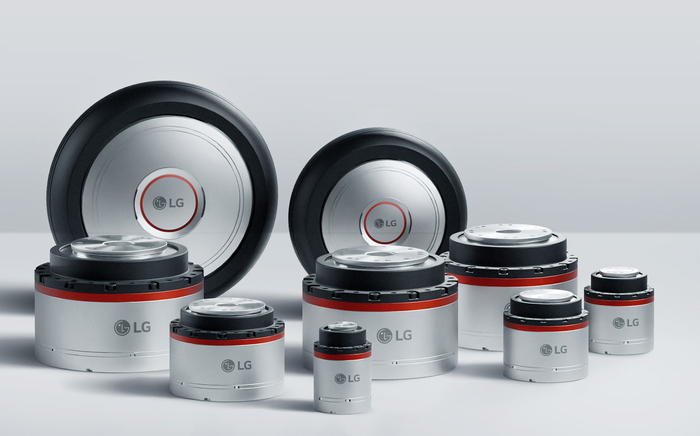
As core robot components become more standardized and shared evaluation frameworks advance, the division of labor between finished robot manufacturers and specialized component suppliers is set to expand. LG Electronics' active role in building a domestic component ecosystem—alongside mass-producing actuators and winning external clients—is widely seen as a strategic move to secure leadership in the global robotics supply chain.
To that end, LG Electronics signed a memorandum of understanding (MOU) with the Korea Institute for Robot Industry Advancement (KIRIA) to strengthen the quality competitiveness of humanoid robots. Under the agreement, LG will help build an evaluation system for a humanoid robot safety certification center and participate in developing national and international standards. As the company prepares to unveil a bipedal robot in the first quarter of next year, it plans to secure safety and quality verification capabilities from the development stage onward.
