








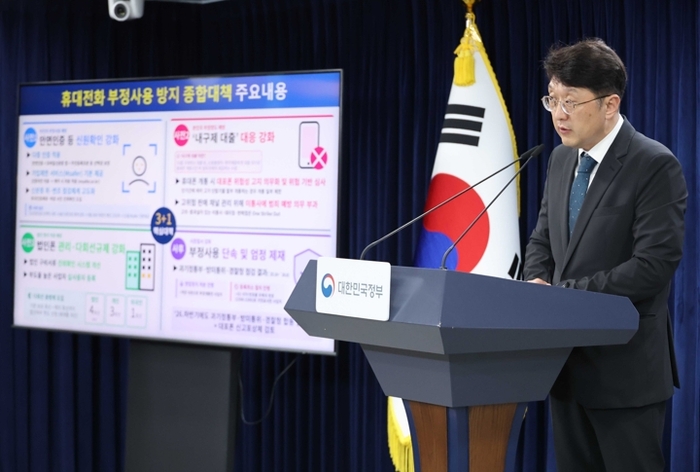
A facial recognition system aimed at preventing the fraudulent use of mobile phones will be implemented in phases starting July 6. The purpose is to fundamentally block the illicit use of illegal burner phones (daepo phones) by strengthening identity verification procedures during phone activation. Regarding the controversy over recognition rates raised during the pilot implementation, alternative verification methods will be diversified.
The Ministry of Science and ICT (MSIT) announced the “Comprehensive Countermeasures to Prevent Fraudulent Cell Phone Use” containing these details on June 30. The core is strengthening identity verification.
Starting July 6, facial recognition will be applied to all face-to-face and non-face-to-face channels of the three major mobile carriers and mobile virtual network operators (MVNOs). Until October, even if facial recognition fails, conditional activation is possible if the processing history is recorded.

Taking a step back from making biometric authentication mandatory, verification through alternative methods is also permitted. If users do not want facial recognition, they can activate a phone using the Ministry of the Interior and Safety's (MOIS) mobile identification card. If they do not have a smartphone, they can substitute it with a certified copy of their resident registration issued on the same day. This measure reflects recommendations from the Personal Information Protection Commission and the National Human Rights Commission of Korea, which stated that practical choice must be guaranteed beyond sensitive biometric authentication.
Alternative methods will be diversified. The MSIT plans to advance multiple authentication systems, such as composite authentication combining various verification methods, by referencing cases in the financial sector in the future. Starting in September, a system to verify the forgery of resident registration copies will be established, and in October, the legal basis for facial recognition will be clarified through an amendment to the Enforcement Decree of the Telecommunications Business Act. In consultation with the Ministry of Justice (MOJ), a system to verify the authenticity of foreigners' identification cards will also be built.
To prevent identity lending and theft, telecommunication companies will be required to notify users of the illegality and punishability of burner phones, and corporations will be restricted from activating multiple lines within a short period. A “one-strike-out” sanction was also introduced, which imposes a business suspension penalty without going through a correction order if fraudulent activation is detected.
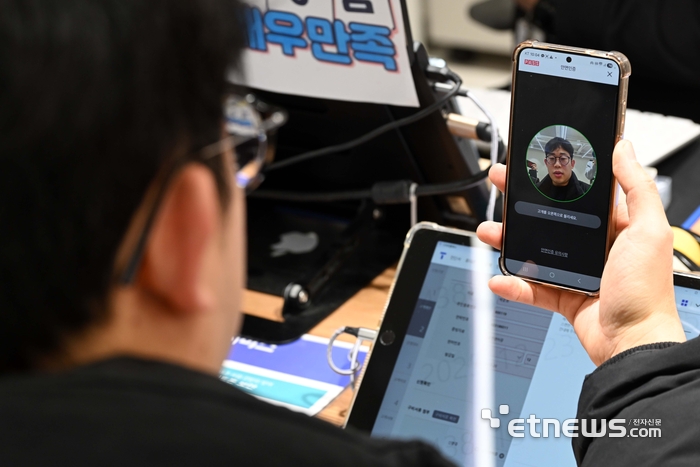
Strengthening identity verification is a measure taken because burner phones have been misused as a key means of crimes affecting public livelihood, such as voice phishing. Last year, the detection of burner phones reached about 20,000 cases, and voice phishing damages amounted to 1.3 trillion won. If authentication methods are diversified, reliance on ID scanners, which have faced continuous controversy over forgery and alteration, is also expected to decrease.
Choi, director general of the Information and Protection Network Policy Bureau at the MSIT, said, “Due to the advancement of forgery and alteration technologies, we judged that it is difficult to prevent fraudulent activation solely by checking physical IDs, so we came to promote the introduction of facial recognition, which is the most powerful means of identity verification.”
The telecommunications and distribution industries expressed their stance to actively participate in the government policy. As they decided to expand other alternative methods in addition to facial recognition, they evaluated that concerns over a decrease in customer influx due to strengthened identity verification procedures have been substantially alleviated.
The Korea Telecommunications Operators Association (KTOA), the Korea MVNO Association (KMVNO), and the Korea Mobile Distributors Association (KMDA) issued a joint statement on this day and said, “We agree with the phased introduction of multiple authentication including facial recognition to eradicate burner phones, and we will actively engage in promotion, education, and system supplementation for successful stabilization in the field.”
