








KT has joined the Tokyo Accord, a regional agreement aimed at building a 6G ecosystem across the Asia-Pacific, strengthening South Korea's position in the race to shape next-generation connectivity.
According to the telecommunications industry on Aug. 23, KT recently signed on to the Tokyo Accord, under which Asia-Pacific telecom operators and industry organizations have pledged to work together on the transition to 6G. KT is the first company to join as an additional signatory since the agreement was launched in April.
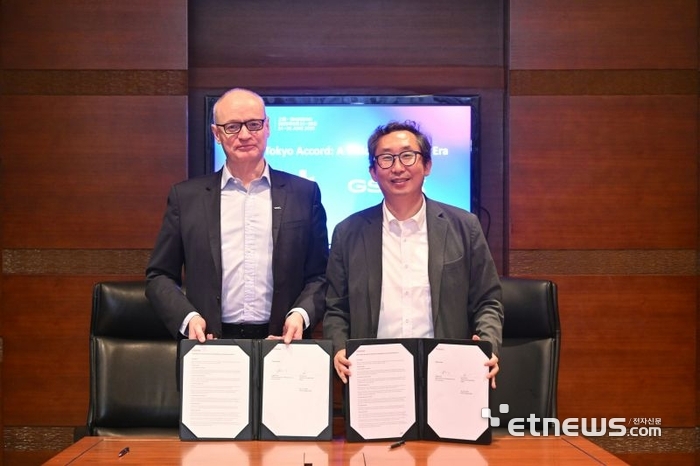
The Tokyo Accord was formally signed in April at the APAC CEO & 6G Alliance Roundtable, hosted by the GSMA in Tokyo. Ten telecom companies and organizations from across the region participated in the initial agreement.
The accord sets out four goals for the 6G era: strengthening cross-regional cooperation for an open digital ecosystem; accelerating digital-industry transformation through 6G; building universal digital trust; and creating sustainable value. The signatories agreed to work together to pursue those objectives.
Japanese companies account for the largest share of the original signatories, including NTT Docomo, SoftBank, XGMF, Rakuten Mobile and KDDI. South Korea's LG Uplus and the 6G Forum joined as founding members, alongside India's Bharat 6G Alliance and Philippine operator Globe Telecom.
KT said it plans to play an active role in advancing the region's 6G transition, developing the broader ecosystem and fostering next-generation infrastructure industries. The move also reflects a strategy to deepen collaboration with Japanese telecom operators, which have taken a leading role in the accord.
“KT will build a multifaceted cooperation framework with Japanese telecom companies, encompassing standardization work for future infrastructure that combines 6G and AI, as well as the discovery of new business models,” a KT official said.
The GSMA is expected to use KT's participation to broaden the accord's signatory base and expand its regional influence. Viettel, Vietnam's largest telecom operator, is also reportedly preparing to join.
The group plans to publish quarterly reports covering 6G-related developments across the Asia-Pacific and is preparing a second in-person meeting around the end of the year.
As the Tokyo Accord accelerates efforts to build a regional 6G ecosystem, competition among countries to secure an early advantage is also expected to intensify. Japanese companies currently play a central role, but the participation of South Korean companies and the 6G Forum gives Seoul an opportunity to expand its influence.
All Tokyo Accord signatories are expected to gather at 6G Vision Fest 2026, scheduled for December in South Korea, creating further opportunities for additional agreements and cooperation. The event could provide South Korea with a meaningful opening to take a larger role in the regional 6G agenda.
“The Tokyo Accord represents a commitment to ensuring a smooth transition to 6G from both technological and commercial perspectives,” said Kim Tae-kyung, GSMA head of Northeast Asia.
