







SK Group Chairman Choi Tae-won, who also heads the Korea Chamber of Commerce and Industry (KCCI), said current memory semiconductor prices are “abnormal,” warning that excessively high prices could weaken the market and eventually contribute to geopolitical tensions.
With demand for artificial intelligence (AI) semiconductors expected to surge, Choi said supply should be expanded aggressively by considering every viable production location, including Yongin, the Honam region and the United States.
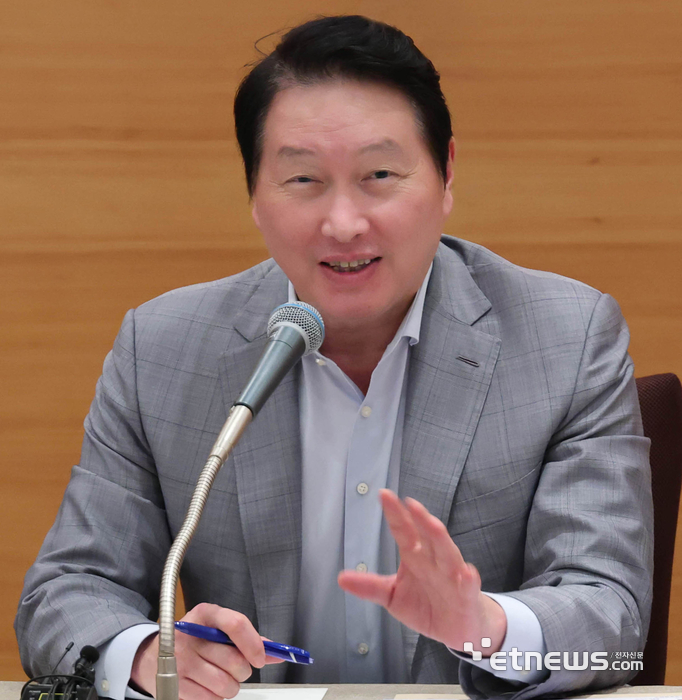
Speaking at a media session during the KCCI Jeju Forum last week, Choi said, “Memory prices should fall. It may sound strange, but current prices are abnormal.”
“If prices remain this high, PC and mobile device prices will also continue to rise,” he said. “We'll end up facing chipflation.”
Choi said persistently high memory prices could eventually be passed on to consumers and undermine demand.
“Even if profit margins decline, we need to lower margins, increase supply, and preserve and grow the market. That's the only way Korea's semiconductor industry can continue to grow,” he said. “Trying to eat only the apples right in front of you is not a strategy.”
Choi said supply is still failing to keep up with rapidly growing demand.
“Forecasts suggest demand next year will be at least 60% to 100% higher than this year, but there are hardly any companies planning to increase supply next year,” he said, describing competition to secure semiconductor supply as “near chaos.”
He said expanding memory production should be the industry's top priority, whether through new facilities in Yongin, the Honam region or the United States. Choi expressed the same view when asked about U.S. Commerce Secretary Howard Lutnick's call for investment in the United States and proposals to build semiconductor plants in Honam.
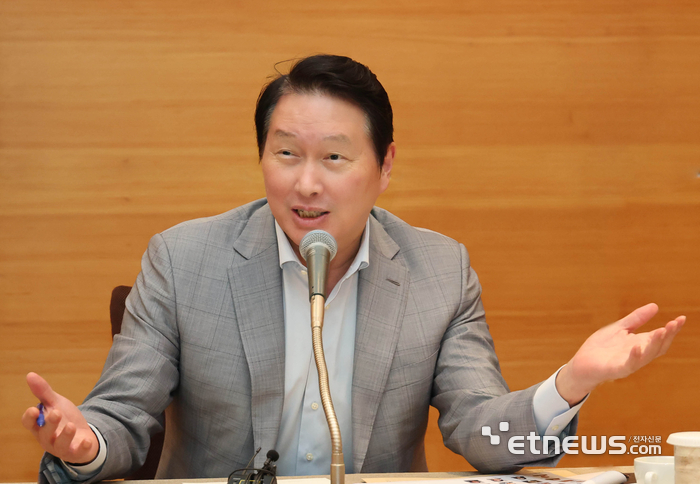
“We should put every location in the world where production is possible on the table, determine which sites can be developed fastest, at the largest scale and under the best conditions, then build them as quickly as possible,” he said. “That means not only Honam but also the United States.”
Even if the current memory shortage eases, Choi said bottlenecks in the AI industry will simply shift to other areas such as electricity and energy infrastructure.
“Electrical equipment for the energy sector is already in short supply,” he said. “As AI adoption expands, there will eventually be shortages of cables and even the materials needed to manufacture those cables for data centers.”
Data center construction is one example of those bottlenecks, he said. With technical specifications changing every one to two years, the entire ecosystem--including power infrastructure, cables, substations and transformers--will require continuous upgrades.
“There will continue to be many future challenges not only in memory but also in energy,” Choi said.
Choi also said the current race to invest in AI infrastructure will ultimately drive down the cost of generating AI tokens. Once AI is translated into productivity through a token economy, he said, the industry will be able to develop a self-sustaining ecosystem.
He also called for industrial policy to shift toward supporting growth as Korea enters a period of slower economic expansion.
“We're still operating under systems built for the high-growth era,” Choi said. “Yet there are not many policies that support companies capable of growing in today's low-growth environment.”
“Growth has to come first before we can create enough room to address distribution issues,” he added.
On South Korea's 52-hour workweek system, Choi said labor rules should be applied more flexibly depending on regional and industrial conditions.
Commenting on proposals to ease working-hour restrictions in regional mega-special zones, he said, “If such measures are implemented, the 52-hour issue could be addressed by changing the location. I believe worker protection and greater flexibility can coexist.”
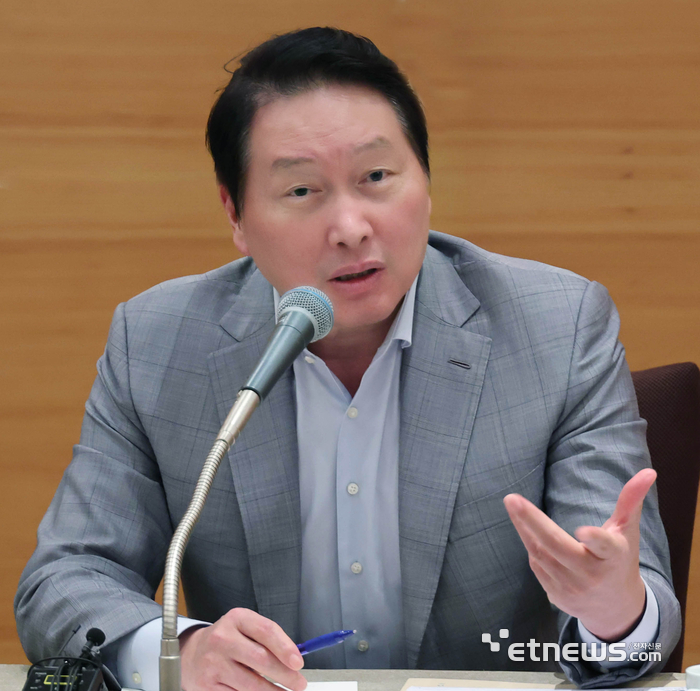
After completing his term as KCCI chairman, Choi said he plans to focus on corporate management.
Asked whether he would consider leading another business organization, Choi replied, “I have no interest. After next year, you probably won't be hearing much from me.”
