








Samsung Electronics has decided not to bring back variable-aperture camera technology for its Galaxy S27 lineup. The feature adjusts the amount of light entering the camera to improve image quality. Apple is set to introduce variable-aperture cameras in the iPhone 18 Pro and Pro Max this year, drawing attention to Samsung's potential response—but the plan has ultimately been shelved.
According to industry sources on Aug. 12, Samsung has decided not to adopt variable-aperture cameras in its Galaxy smartphones. As a result, the Galaxy S27 series, expected to launch in the first half of next year, will not feature the technology.
Samsung had been developing variable-aperture technology with several camera-module partners, including Samsung Electro-Mechanics and MCNEX. Industry observers saw the effort as preparation for integrating the feature into the main camera of future Galaxy smartphones. (See this publication, Feb. 10, 2026, p. 2.)
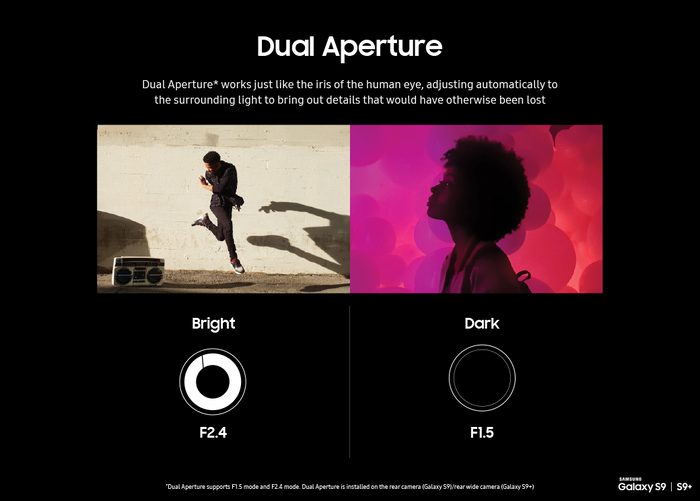
A variable aperture regulates how much light reaches the image sensor. It can reduce incoming light in bright conditions and allow more light in when shooting in the dark. By controlling exposure and depth of field, the technology can help produce sharper, clearer images.
Samsung previously used variable-aperture cameras in the Galaxy S9 and Galaxy S10, released in 2018 and 2019. Beginning in 2020, however, the company discontinued the hardware feature and relied instead on software-based image processing.
Samsung is believed to have reviewed the technology as part of its effort to compete with Apple's iPhone 18 Pro and Pro Max, which are expected to be the first iPhones to feature variable apertures. With Apple moving first, Samsung faced pressure to respond to its biggest rival in the global smartphone market.
However, adding the new component would raise manufacturing costs and make the camera module thicker. Samsung is also believed to have concluded that the practical benefits of a variable aperture are limited at smartphone-camera scale, making the technology difficult to justify.
“Recent sharp increases in memory-chip prices have intensified cost pressure on other components,” an electronics-components industry source said. “Camera performance is no longer the top factor for many consumers choosing a smartphone, and if the benefits of variable aperture technology are seen as limited, it would be difficult to justify adopting a feature that raises costs.”
