




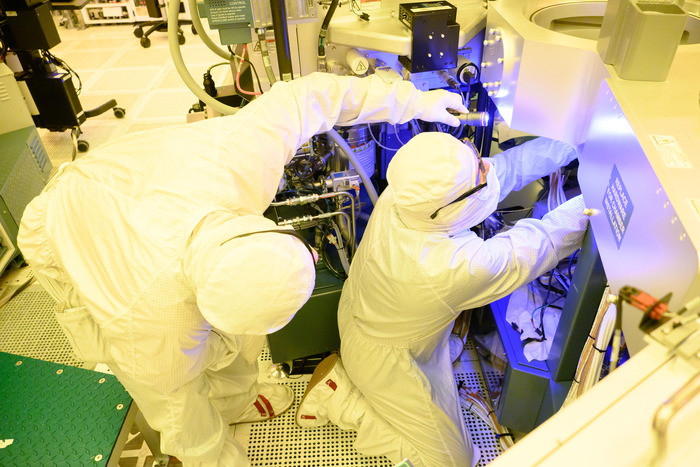
Intel has applied agentic AI to the management of critical equipment in its semiconductor fabs. The company now detects anomalies 30% faster, and a single use case alone is saving about $7.5 million a year (about 10 billion KRW).
According to industry sources on Oct. 25, Intel achieved the results over the past eight months. It used Seeq's platform as an orchestrator to coordinate multiple AI agents.
Seeq's platform divides work among several AI agents, with a single orchestrator directing them. When an anomaly is flagged, the system automatically handles everything from root-cause analysis to drafting a work order, and an engineer gives final approval. The biggest change is that engineers no longer have to jump between multiple systems to verify issues by hand.
The partnership began about three years ago, when Intel was looking for a self-service analytics platform to develop and deploy analytics at scale. As Intel stepped up its AI adoption, the two companies expanded their collaboration toward agentic AI.
The system covers the core utility equipment that keeps a fab running: ultrapure water systems, chillers, specialty gases, and chemical delivery equipment. These systems do not make wafers directly, but a fault in any one of them can contaminate wafers or halt a production line. Ultrapure water tolerates virtually no impurities, so catching early warning signs quickly has a direct bearing on yield.
Previously, engineers opened multiple screens to gather data and trace the cause only after an alarm sounded. Now, when an anomaly is detected, the system compiles the relevant data, similar past cases, and recommended actions in one place and sends them to the engineer. Once the engineer reviews and approves, the work order is generated.
The gains go beyond faster detection. Automatically generated work orders cut technician workload by 15% to 20% and saved more than 120,000 labor hours a year. At a chilled-water plant, energy efficiency also improved by about 15%.
Seeq is connected to about 70 systems across Intel's global sites. It has integrated 65 million to 70 million tags, or time-series signal data points, and made them immediately usable. About 1,000 Intel engineers use the Seeq software every week.
“Seeq doesn't build the analytics models for them,” a Seeq spokesperson said. “We provide the tools and guidance so facility engineers can build and refine their own models.”
