




Chipmakers Rush to Secure Equipment Amid Fierce Competition
Contracts Signed Unusually Early Compared With Past Practices
“Samsung and SK Hynix Must Also Take Action”
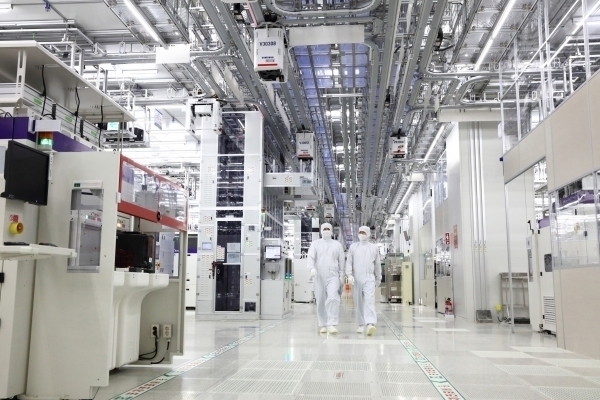
Major global semiconductor equipment manufacturers have been found to be rushing to secure supply contracts for equipment that will not be delivered for another three years. The move comes as semiconductor manufacturers compete to expand capital investment in response to demand for artificial intelligence (AI) infrastructure, accelerating equipment procurement schedules by one to two years compared with normal practices.
With semiconductor equipment lead times rapidly increasing due to surging orders and limited production capacity, the trend reflects chipmakers' growing concern that failing to secure equipment in advance could leave them behind in the race for AI semiconductor dominance.
According to industry sources on Nov. 3, leading global semiconductor equipment manufacturers, including Applied Materials, ASML, Lam Research, Tokyo Electron (TEL) and KLA, have entered the final stages of concluding equipment supply contracts for 2028. Some have also begun discussions on purchase orders (POs) for equipment available for delivery in 2029.
“Demand for bringing equipment into semiconductor fabrication plants, or fabs, as quickly as possible has surged, particularly for front-end manufacturing processes,” said an industry official familiar with the matter. “Key equipment suppliers to global companies such as TSMC, Micron and Intel are developing supply strategies for 2029.”
Some South Korean equipment manufacturers that deal directly with these overseas chipmakers are also reportedly reviewing supply plans for equipment to be delivered two to three years from now.
Discussions on supply contracts for equipment to be installed in semiconductor fabs typically begin six to 12 months before delivery. This allows semiconductor manufacturers to consider the equipment they need, technology verification requirements and suppliers' production capacity. Since delivery generally takes three to six months after a purchase order is placed, chipmakers have traditionally proceeded with contracts on a relatively flexible schedule.
However, the situation has changed as enthusiasm for AI infrastructure investment continues. Amid semiconductor shortages, manufacturers have simultaneously launched large-scale capital investment projects, significantly extending equipment delivery times. Semiconductor equipment lead times have now more than doubled compared with normal periods, with some products taking up to two years or longer to arrive. For semiconductor manufacturers, this means they must accelerate contract negotiations to secure equipment ahead of competitors.
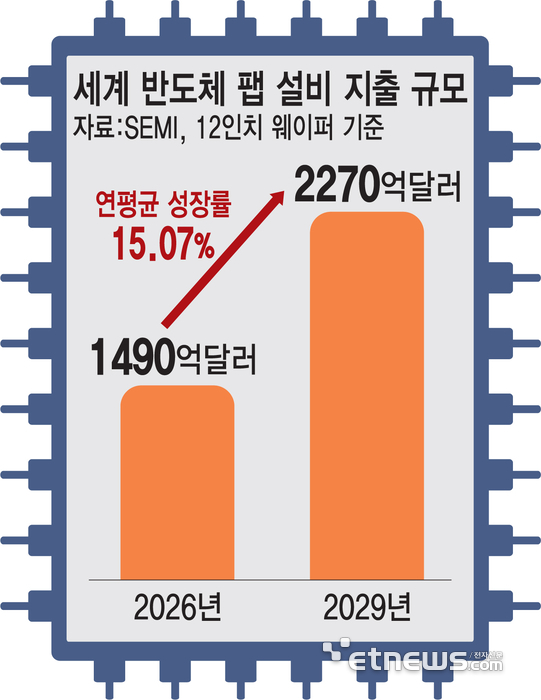
Major global semiconductor equipment manufacturers are responding by expanding production capacity and shortening equipment installation and commissioning times, but these efforts remain insufficient to meet demand.
ASML, which announced its earnings last month, said it expected no disruptions to semiconductor lithography equipment supplies through 2028. However, the company also said it was considering ways to further expand production capacity.
“Discussing equipment deliveries three years in advance is unusual,” said a senior executive at a global semiconductor equipment company. “Considering the current pace of fab investment by semiconductor manufacturers, this trend is likely to continue through 2030.”
The trend is also expected to have a significant impact on South Korea's semiconductor industry, as chipmakers including Samsung Electronics and SK Hynix continue to invest in semiconductor fabs. With competition against overseas rivals to secure equipment intensifying, industry observers say proactive measures are necessary.
“With investment in both front-end and back-end semiconductor processes taking place worldwide, the push to sign equipment procurement contracts ahead of competitors could spread to the back-end manufacturing sector as well,” another industry official said.
“South Korean semiconductor manufacturers, including Samsung Electronics and SK Hynix, also need to take measures to secure critical process equipment ahead of their competitors.”
