








Samsung Electronics is expected to equip the upcoming “Galaxy S27 Pro” (tentative name), scheduled for release in the first half of next year, with a 6.47-inch OLED display. The screen size would be a first for Samsung's flagship smartphone lineup, drawing attention from the market.
According to industry sources on June 20, Samsung plans to apply a 6.47-inch OLED panel to a new model being added to the Galaxy S27 series.
A source familiar with the matter said, “Samsung is preparing four Galaxy S27 models for next year, and the new model will feature a 6.47-inch display size that the company has never used before.”
Samsung currently operates a three-model flagship lineup -- standard, Plus, and Ultra -- a structure maintained since the Galaxy S20 series launched in 2020. Starting with the Galaxy S27 series in 2027, however, the company is expected to expand the lineup to four models by introducing a new “Pro” variant.
The Pro model is expected to share most of the Ultra model's specifications while excluding stylus support.
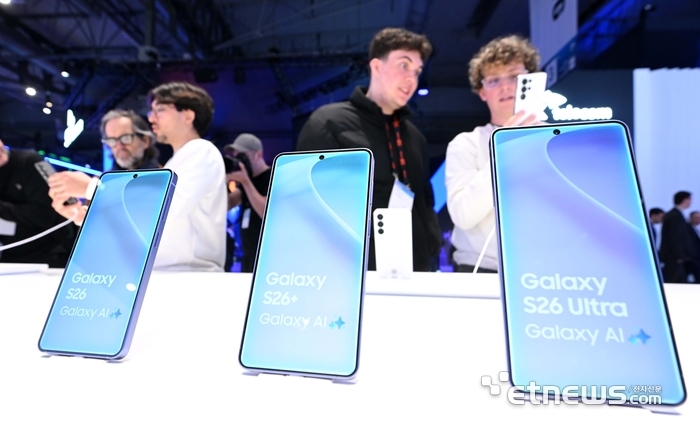
The 6.47-inch display size would mark a new addition to the Galaxy S lineup. The Galaxy S26 series featured display sizes of 6.27 inches for the standard model, 6.66 inches for the Plus, and 6.89 inches for the Ultra. Samsung's ultra-thin “Galaxy S25 Edge,” released last year, used a 6.56-inch display.
The Edge model had originally been developed to replace the Plus variant with a thinner smartphone design beginning with the S26 series. However, after receiving a lukewarm market response, Samsung reportedly abandoned the Edge-focused strategy and continued developing the Plus model instead.
Industry analysts believe Samsung is now attempting to strengthen its flagship lineup with a more differentiated product, starting with a new screen size. The move is seen as part of a strategy to broaden consumer choice and stimulate demand in the stagnant smartphone market.
Some observers also interpret the change as a response to Apple's four-model iPhone lineup. Apple currently offers standard-tier models such as the regular iPhone and Air, alongside premium Pro and Pro Max versions.
The iPhone 17 series released last year featured slightly larger displays, including 6.26 inches for the standard and Pro models, 6.55 inches for the Air, and 6.86 inches for the Pro Max.
Samsung has traditionally launched Galaxy S series smartphones early in the year, followed by foldable devices such as the Fold and Flip later in the year. While performance upgrades have continued, relatively limited changes in design and display size have made it harder for consumers to distinguish between generations, contributing to slowing demand.
Attention is now focused on whether Samsung's new flagship model strategy can help revive interest in the smartphone market.
