








The Korean electric vehicle market is witnessing starkly contrasting strategies from BYD and Tesla following changes to the government's EV subsidy scheme.
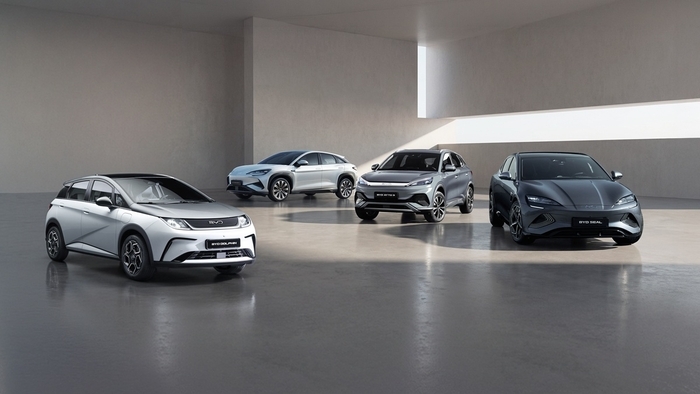
BYD Korea, which has been excluded from the national subsidy list, has decided to roll out its own corporate incentives. In contrast, Tesla Korea, which qualified for subsidies, abruptly raised prices across major models by 3 million to 7 million won.
Starting July 1, BYD Korea is extending its “Clean Vehicle Customer Support Program.” Funded entirely out of pocket, this initiative ensures that buyers in July receive the same financial benefits as before, despite the loss of state funding. BYD previously used a similar approach, offering multi-million-won corporate discounts when government funds ran dry to minimize customers' out-of-pocket costs. This continuation of private subsidies is aimed at safeguarding brand trust and lowering the barrier to entry for consumers.
Looking ahead, BYD plans to aggressively expand its local showroom and service network to boost employment and after-sales capabilities, address the shortcomings that led to its subsidy disqualification, and regain eligibility by next year. A BYD Korea spokesperson stated that the company remains committed to introducing diverse support measures so consumers can experience BYD's electrification technology at an affordable price point.
Meanwhile, Tesla Korea has implemented its second price hike of the year, following an increase in April. Prices for the highly popular Model 3 and Model Y variants surged by up to 7 million won. For the Model 3, the base Rear-Wheel Drive (RWD) model rose by 5 million won to 46.99 million won, the Long Range variant jumped by 7 million won to 59.99 million won, and the Performance trim increased by 5 million won to 69.99 million won. For the Model Y, the Long Range AWD and the six-seater Model Y L each rose by 3 million won, lifting their prices to 66.99 million won and 72.99 million won, respectively. Tesla kept the price of its top-selling Premium RWD trim unchanged at 49.99 million won.
This immediate price hike, coming right after the government finalized its EV subsidy criteria for the second half of the year, is drawing heavy consumer backlash. Critics argue that Tesla is effectively capitalizing on public subsidies to offset its own price increases at the expense of consumers.
