








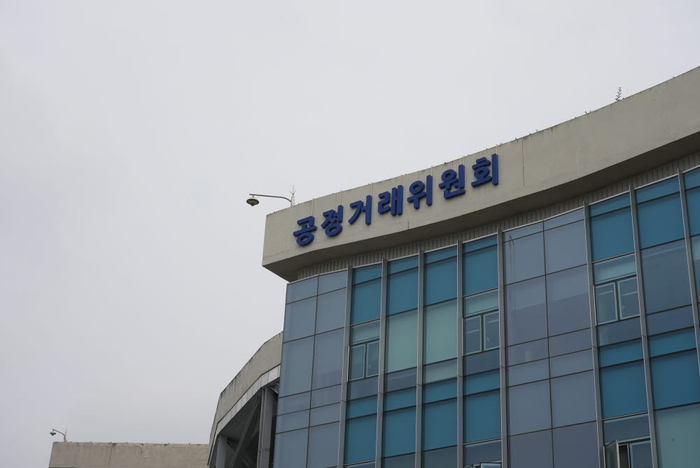
The Fair Trade Commission (FTC) has initiated a full-scale deliberation on Google's alleged abuse of market dominance. This is because the FTC judged that Google blocked entry into competing app markets and restricted market competition by signing 'Most-Favored-Nation (MFN)' contracts with domestic and foreign game companies. The related sales revenue is approximately 14 trillion KRW, and if found finally illegal, a fine of up to 849.6 billion KRW could be imposed.
The FTC announced on July 1 that it sent an examiner's report on Google's alleged abuse of market dominance and commenced the deliberation process for the plenary session. The examiner presented opinions to issue a corrective order and impose a fine. This review is the opinion of the examiner, and the final decision will be determined at the plenary session.
According to the commission, Google signed 'GVP (Games Velocity Program, also known as Project Hug)' contracts with 22 domestic and foreign game companies (5 domestic and 17 foreign) for about six years and nine months from July 2019 to March this year. Domestic game companies include NCSOFT, Nexon, Netmarble, Pearl Abyss, and Com2uS.
The core condition of the contract is what became an issue. It was investigated that instead of supporting game companies with the costs of using cloud, YouTube, and advertising services, Google required them to provide game release timing, content quality, and user benefits to the Play Store earlier than competing app markets, or at least maintain them equally. The FTC judged that the company further lowered the incentive to enter competing app markets by applying a progressive structure where the subsidy increased as the game's Play Store sales grew.
The examiner viewed that such contracts not only interfered with the business activities of competing app markets like ONE Store but also blocked the possibility of some game companies entering their own app markets. It was judged as an act that virtually forced exclusive transactions with Google.
The FTC calculated the related sales revenue of this act at $9.21777 billion (approximately 14.16 trillion KRW). Under the Monopoly Regulation and Fair Trade Act, a fine of up to 6% of the related sales revenue can be imposed in cases of abuse of market dominance, making the statutory ceiling approximately 849.6 billion KRW.
The commission explained that this case is a different matter from Google's 'ONE Store exclusion' case in 2023. The difference is that while support was provided back then on the condition of not releasing games on ONE Store, this time the company tried to maintain its market dominance through a most-favored-nation contract that favors the Play Store over competing app markets.
In the examiner's report, the FTC reflected Google's past history of law violations and judged that there are grounds for aggravating the fine. However, the final size of the fine and whether it will be aggravated will be confirmed at the plenary session. Google can submit a written opinion within eight weeks from the date of receiving the examiner's report and exercise its right of defense, including viewing and copying evidence.
The FTC plans to hold a plenary session to determine whether to impose final sanctions after going through procedures to guarantee the right of defense, such as the respondent's submission of opinions and viewing of evidence. An official of the FTC said, “We will continuously monitor to restore substantial competition in the app market.”
