








Samsung Electronics and LG Electronics have reportedly postponed the global launch of their new robot vacuum cleaners.
This delay follows ongoing reviews of production bases due to tariffs, compounded by U.S. restrictions on certifications for new equipment in overseas-produced robot vacuums, intensifying pressure to restructure supply chains.
Both companies plan to focus on expanding the domestic market for the time being while accelerating previously pursued production efficiency improvements and supply chain diversification.
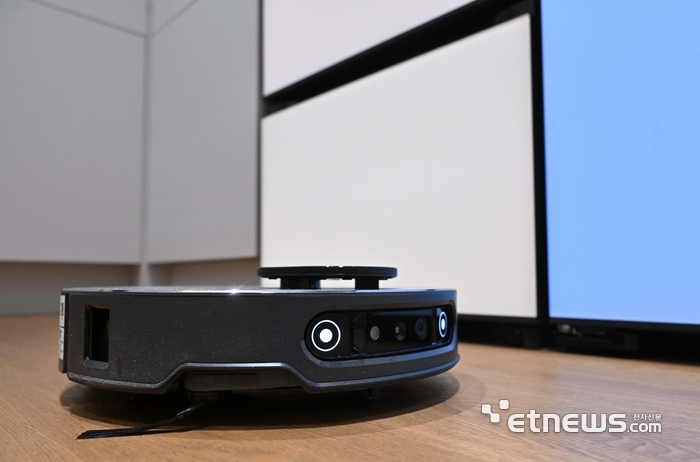
Samsung Electronics has not finalized the global launch timing for its 2026 model robot vacuum cleaner, the “Bespoke AI Steam,” even after its February domestic release.
A Samsung spokesperson stated, “We plan to focus on the domestic market for the time being due to strategic realignment,” adding, “We will review the global launch timing after assessing the situation.”
LG Electronics is taking a similar approach, prioritizing domestic sales of its newly launched product, the “LG HomeBot Objet Collection Ronnie,” released last month.
Both companies emphasize focusing on domestic sales and product competitiveness for now, with global market entry decisions to be made after comprehensive evaluations of market conditions and production systems.
Since last year, Samsung and LG have been adjusting their home appliance production bases in response to U.S. tariffs. Samsung mentioned during its first-quarter earnings announcement last year that it was considering adjusting production locations for TVs and home appliances to address tariff issues.
LG Electronics has restructured its North American supply chain, centering on factories in Tennessee, U.S., and Mexico. Since the second half of last year, it has increased production in the U.S. and Mexico and utilized its Mexicali, Mexico plant as an additional washing machine production base, optimizing production locations.
The U.S. Federal Communications Commission's (FCC) robot-related regulations further cloud the outlook for global launches. On the 28th of last month, the FCC added overseas-produced “advanced robotic devices” to a list of equipment posing national security risks. Not only the main robot vacuum units but also key components with wireless communication functions now require conditional approval from the U.S. Department of Defense for new certifications.
While the U.S. measures are widely seen as targeting Chinese companies, some analysts suggest they could present medium- to long-term opportunities for South Korean firms.
An industry insider stated, “Rather than immediately entering global markets with specific new products, the primary task for domestic companies is to reorganize the supply chains for existing flagship products such as refrigerators and washing machines, which are currently dispersed across countries like China and Mexico, to better target the U.S. market.” They added, “The delay in the global launch of the robot vacuum cleaner can also be understood in this context.”
